Philosophy
Crisis is not a moment. It is a process — and the way through it depends on the clarity with which it is seen.
Crisis as a living process
Crisis is often described as an event. In practice, it behaves more like a living process — one that moves, expands, and reshapes the way people relate to one another. It alters perception, compresses time, and challenges the assumptions that usually guide action.
Approaching crisis requires paying attention not only to what is happening, but to how people are experiencing it — the doubts, the tensions, the hesitations, and the moments of unexpected clarity.
This is where our work begins.
Some situations, however, exceed what an organisation’s usual structures can absorb — not because those structures are inadequate, but because the situation is of a different nature. At that threshold, the work changes. So does the support required.

The weight of responsibility
Leaders in uncertain environments carry a particular kind of weight — not only the responsibility for decisions, but the responsibility for meaning: how to interpret what is unfolding, how to frame it for others, how to maintain a direction when the situation refuses to stabilise.
This weight is rarely visible from the outside. It is felt in the quiet moments — before a decision, after a difficult conversation, or when the consequences of an action begin to surface.
Supporting leaders means recognising this invisible dimension. Creating space for them to think, breathe, and regain perspective — without taking the decision away from them.
The role is to support the quality of thinking that precedes the decision — not to replace it.
The role of attention
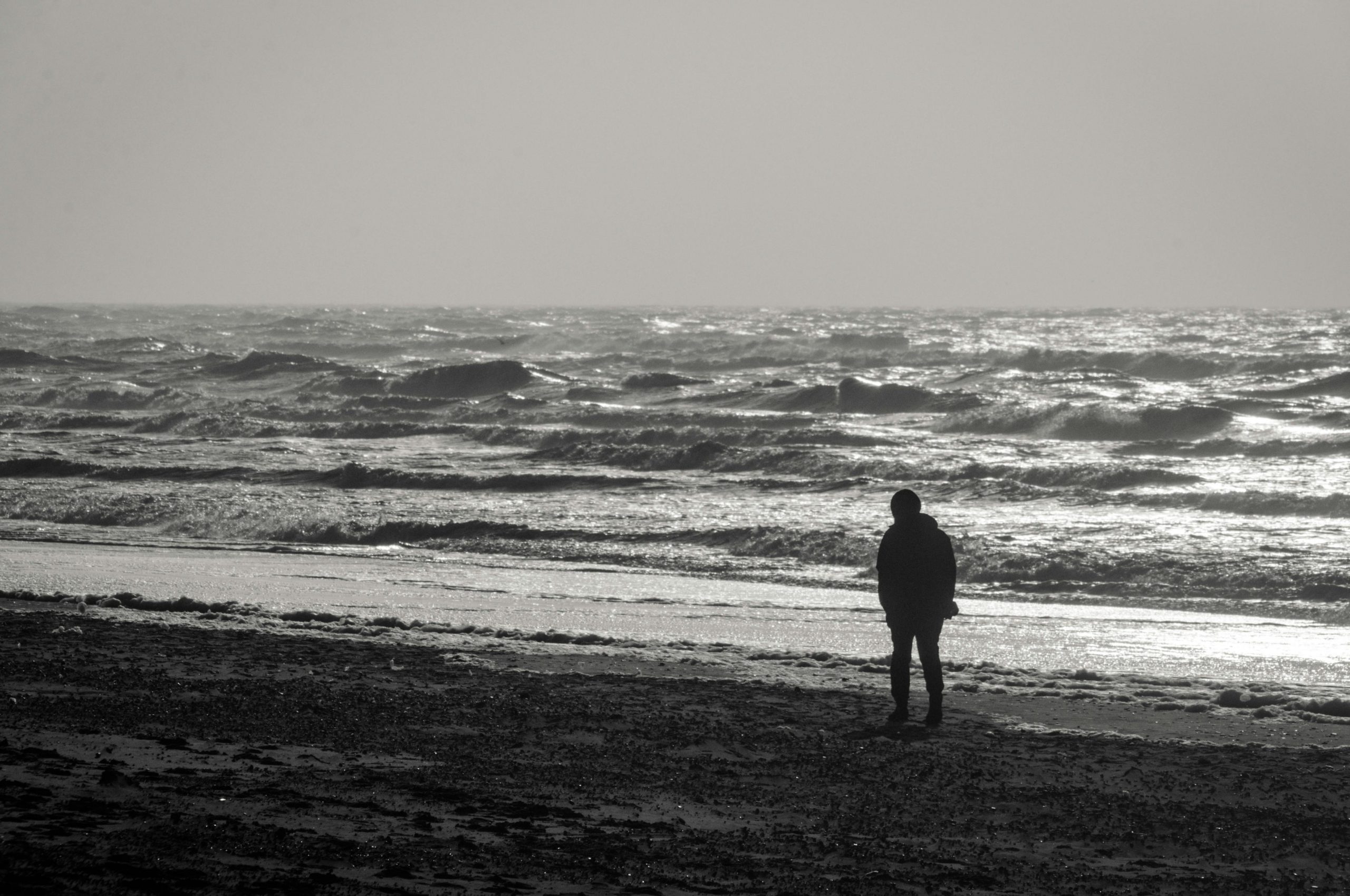
In complex situations, attention becomes a strategic resource. Where we look, what we notice, what we ignore — these choices shape the path forward.
Under pressure, attention narrows. The field of view shrinks to what is already going wrong; what will go wrong next is unfolding just outside it. Signals arrive without being heard. Assumptions harden into certainties. In the room, each person begins to defend their fragment of the picture.
Karl Weick, studying how organisations unravel in extreme conditions, described this as the collapse of sensemaking — the moment when what is happening and the means to make sense of it disappear at once.
A significant part of crisis navigation is learning to widen attention again — to reconnect with context, to observe without rushing, and to recognise the patterns emerging beneath the noise. This is a skill. It can be developed, and it can be supported.

Mètis
The ancient Greeks had a name for a particular kind of intelligence: mètis. Described by Marcel Detienne and Jean-Pierre Vernant as a form of practical knowledge — combining flair, vigilance, the sense of opportunity, and long experience applied to shifting and ambiguous situations — mètis is the intelligence that operates where precise calculation falls short.
It is not improvisation. In practice, it often looks like a small adjustment that turned out to have mattered — a hold called for reasons hard to explain, a room re-read once more before the decision. It reads what is actually present, draws on accumulated experience, and adapts without losing orientation. It has always been at work in serious, high-stakes action — though it rarely appears in procedures or formal frameworks.
Crisis calls for it directly. When the situation moves faster than the plan, what carries people through is not additional information or better protocols. It is this capacity — practical, attentive, grounded in experience. It can be developed. It can be supported.
Movement over certainty
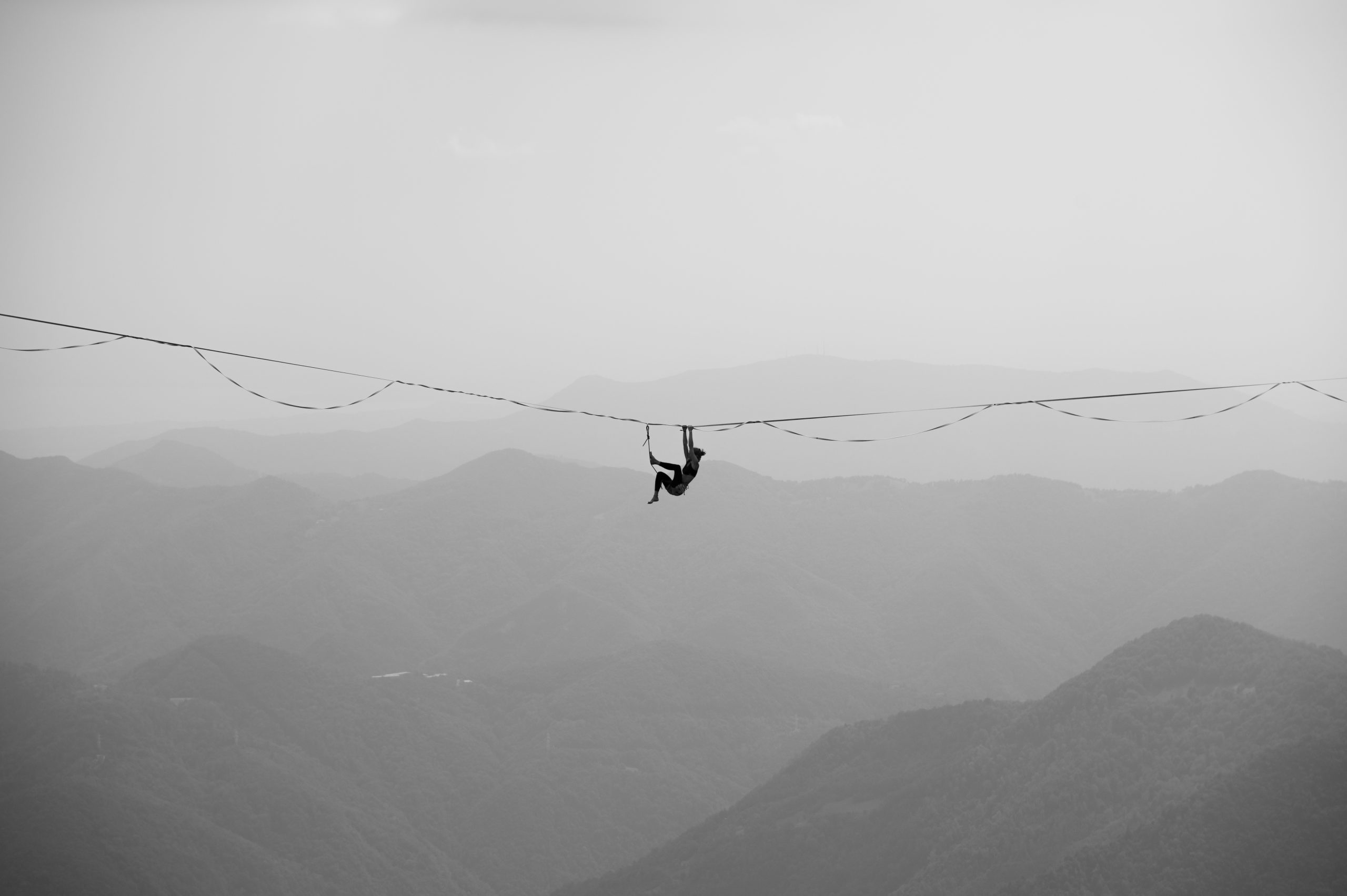
In uncertainty, certainty is often a trap. What matters is not having the perfect answer, but maintaining the ability to move — to adjust, to test, to learn, to realign.
Movement is not improvisation. It is the disciplined practice of staying responsive without becoming reactive.
Organisations that navigate crisis well are not those that predict everything. They are those that maintain the capacity to shift without losing themselves. That capacity can be strengthened. That is what we work on.
The pressure to act is not the same as the moment to act. Reading the difference is the work.
Observe rather than understand. Act rather than wait for certainty.
One practice, wider ground
The conditions that define crisis — uncertainty and time pressure exceeding what structures can normally absorb — are not exclusive to declared emergencies. They are present, in varying degrees, in volatile operational environments: complex field contexts, tense situations, settings where the unexpected is not an exception but a permanent feature of the terrain.
René Amalberti’s work on safety in complex systems shows that the relationship to risk is not a fixed property of an activity, but of the practice an organisation has accumulated within it. The threshold at which a difficult situation becomes a crisis, then, is not the same for all — it depends on what each organisation has learned to absorb.
In these environments, the same dynamics are at work. The same pressures bear on decisions. The same capacity for structured observation is required.
This continuity matters. It means that the competencies developed for crisis response are not reserved for acute situations. They apply — with adaptation — across the full range of contexts where uncertainty and time pressure shape how organisations must operate.
Leadership, in this light, is also the capacity to understand which decision mode the situation requires — and to move between modes deliberately as context evolves. Not as a rupture in practice, but as its natural extension.
Two positions that follow
Two pages on this site take these ideas further into the ground of the work.
Deciding under constraint — how a decision is built when the plan no longer covers the situation.
The human factor in crisis — how the mind meets the event, and what follows from that reading.
Each is a further entry into the substance behind the work.
If this way of thinking about crisis resonates with a situation your organisation is facing